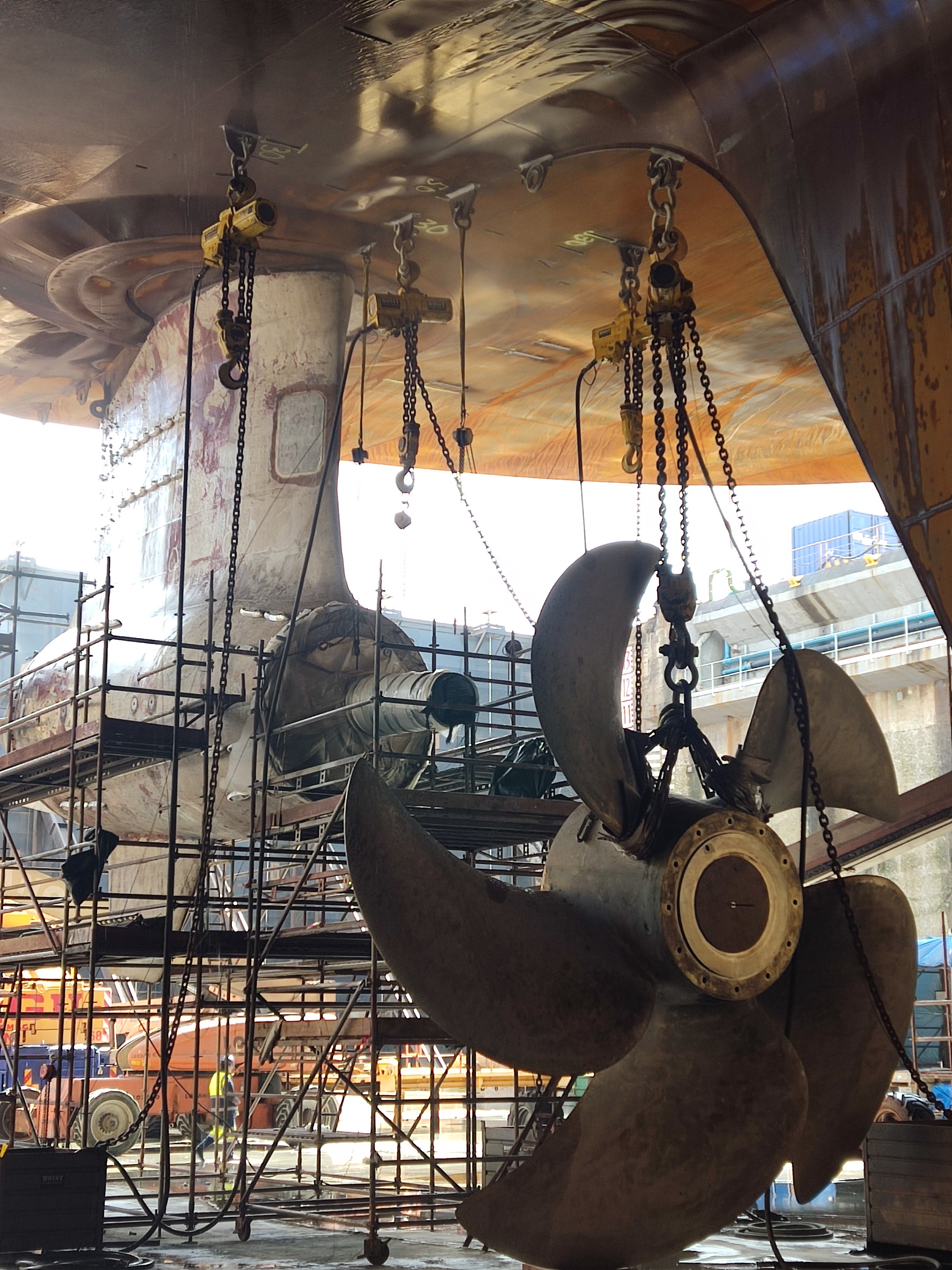
Safe and precise lifting with the Festec® Handy Hook
During a large maintenance shutdown at the Shell site in Rotterdam, Hoist International supported safe and efficient lifting of heat exchanger components by supplying the certified and field-proven Festec® Handy Hook. A compact tool that replaces unsafe traditional methods with a safer, damage-free alternative.
The challenge
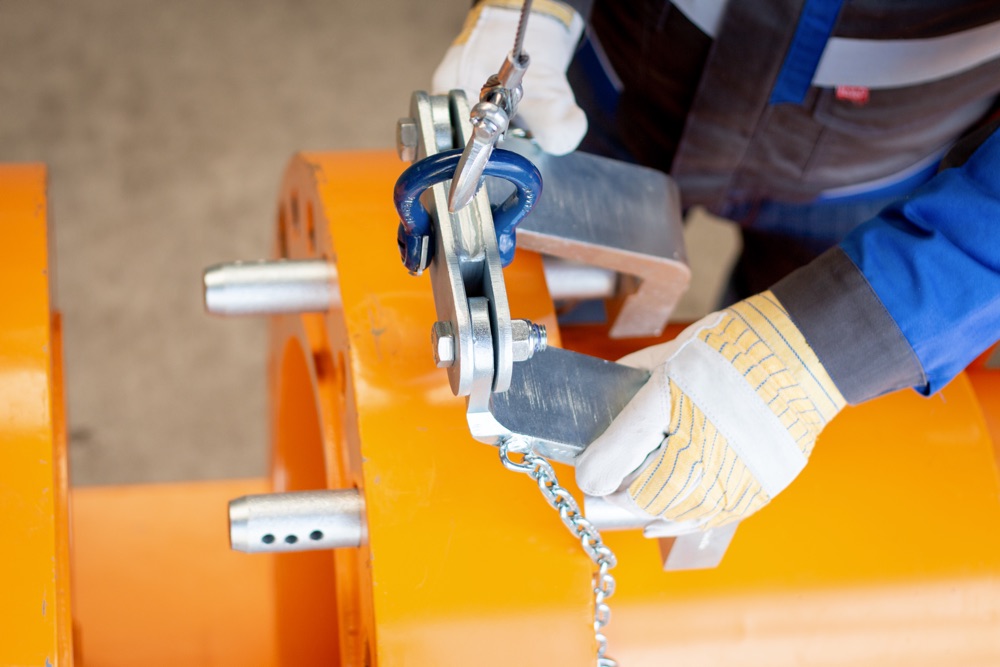
During mechanical maintenance of horizontal heat exchangers, components such as floating heads, flat covers, or pressure rings often need to be lifted. However, these parts typically lack fixed lifting points.
The common workaround using two stud bolts placed in bolt holes to lift the part with slings is extremely unsafe. It can lead to damaged gaskets, misaligned installations, injuries, and plant downtime due to leaks or failed reassembly. In high-risk environments like petrochemical plants, such practices are simply not acceptable.
The vision
Our goal was to enable maintenance teams to lift these components safely, without damaging critical surfaces, and to work efficiently under tight shutdown schedules. The ideal solution had to be compact, easy to use in confined and ATEX zoned areas, and deliver full control during lifting and mounting.
The solution
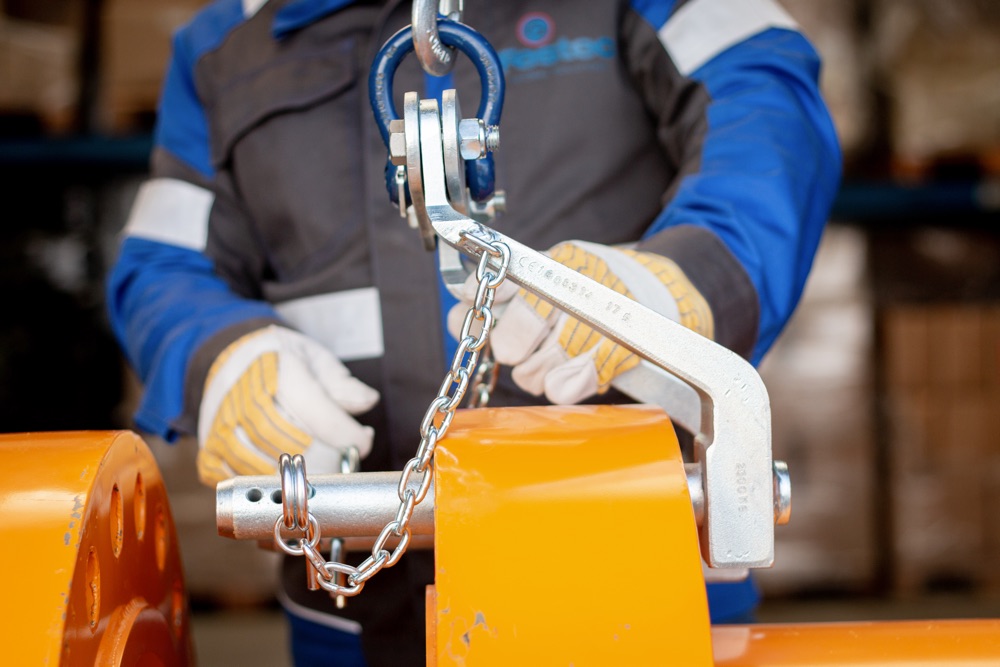
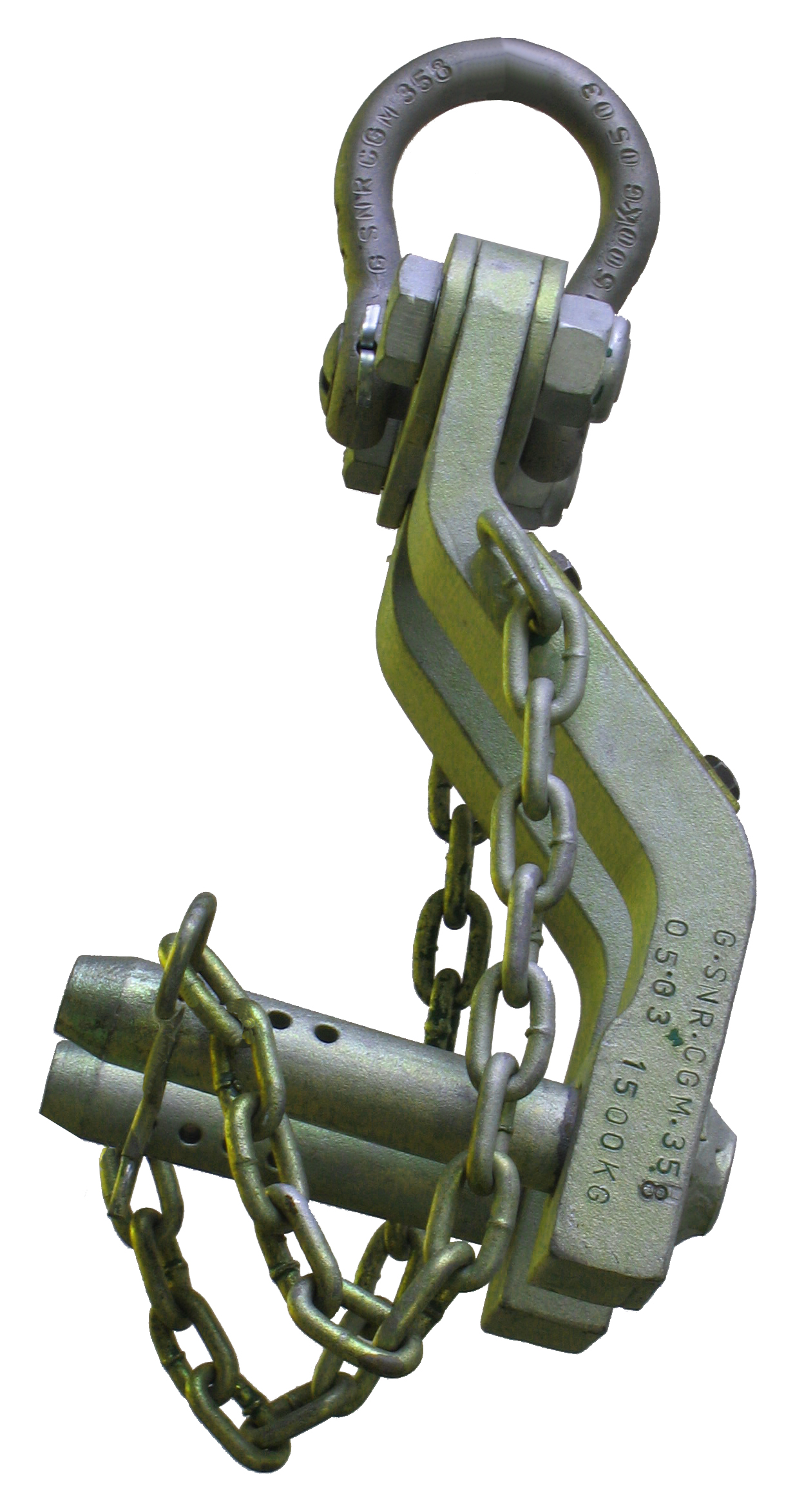
Hoist International provided multiple Festec® Handy Hooks, specifically designed to safely lift exchanger components without integrated lifting eyes.
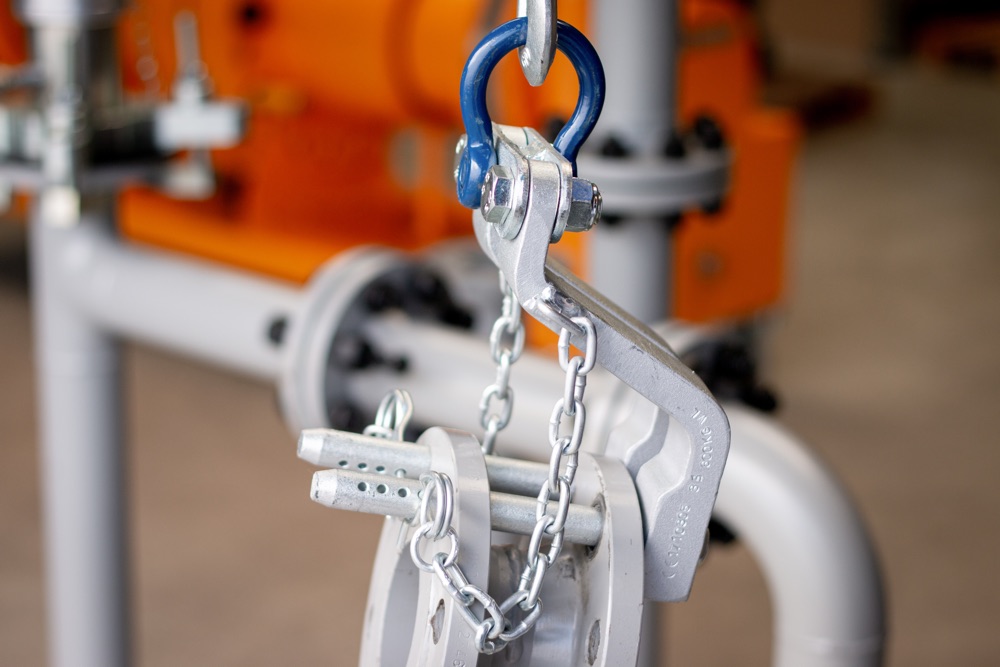
Made from high-grade Fram Alloy steel, the hook is inserted directly into existing bolt holes. Its hinged lifting arms, safety pins, and secure design prevent slippage, minimize risk of damage, and allow for precise maneuvering—even in tight spaces.
Each tool is individually tested at twice the WLL, comes with a lifting certificate, and requires no major investment. It’s ATEX-compatible, user-friendly, and ideal for shutdowns or turnarounds where safety and timing are critical.

The result
By using the Festec® Handy Hook, maintenance teams achieved controlled and precise lifting and repositioning of components. The operation proceeded without any injuries or damage to sensitive surfaces, ensuring that installation quality was maintained and the plant could restart smoothly without costly interruptions.
This case demonstrates how a practical, proven tool can significantly improve safety, reduce operational risk, and support top tier maintenance performance during critical shutdown operations.